
Russia’s biggest commercial data center has been dragged directly into the war, as Ukrainian drones struck Yandex’s massive facility in Kaluga and knocked multiple modules completely offline, just a day after another Yandex site in Sasovo was hit. The twin attacks mark a significant escalation in how critical tech infrastructure is being targeted, with one of Russia’s most important internet companies now openly admitting battlefield-scale damage to its cloud backbone.
The Kaluga complex sits in the Grabtsevo industrial park southwest of Moscow and was designed from the outset to be Yandex’s largest data center in the country, with a planned capacity of 63 megawatts—around half again more powerful than its previous flagship facility. Construction began in 2022, and the site only entered service in the second half of 2023, housing thousands of server racks and hosting both internal Yandex services and commercial customers on the Yandex Cloud platform. Reporting from Ukrainian outlet United24 and others has described the campus as sprawling across roughly 130,000 square meters, underlining why it became a high-value target.
In a statement carried by Russian state media, Yandex confirmed that a drone attack damaged part of the Kaluga data center’s infrastructure, leaving “several modules completely disabled” and warning that some services could experience disruptions while the company assesses the full extent of the damage. Emergency crews and Yandex specialists were dispatched to the scene, and the company stressed that there were no reported casualties and that employee safety remained the top priority. Russian agencies have also noted local damage in Kaluga from overnight drone activity, framing the strike as part of a broader wave of attacks on facilities in the region.
The Kaluga hit came less than 48 hours after another drone strike set fire to Yandex’s data center in Sasovo, in Ryazan Oblast, forcing that facility to shut down entirely and causing visible service issues across parts of Yandex’s ecosystem. Yandex—often described as “Russia’s Google” thanks to its dominant search engine, maps, email, ride-hailing, and growing AI stack—acknowledged that customers might see disruptions to digital services after the earlier attack, even as it tried to keep core platforms online. Ukrainian and Russian coverage of the Sasovo incident reported temporary problems for Yandex Cloud and consumer-facing tools such as mail and storage, though Yandex has avoided detailing which specific workloads were affected.
What makes the Kaluga strike especially notable is the kind of hardware that Ukraine says it used: Fire Point, a Ukrainian defense tech firm, publicly claimed its FP-1 drones were employed by Ukraine’s defense forces to hit the Yandex DC Kaluga site, boasting of striking the company’s largest data center. The FP-1 platform is designed for long-range precision attacks against high-value infrastructure, and its use against a corporate cloud campus underscores how data centers are now treated as strategic assets alongside oil depots, missile fuel plants, and power facilities that Ukraine has also targeted in recent operations. Analysts have pointed out that damaging Yandex’s capacity could ripple into Russia’s AI development ambitions, given the company’s heavy investment in machine learning and large-scale compute.
Officially, Ukraine has not publicly claimed responsibility for the Kaluga attack, even as Ukrainian media and Fire Point’s own statement attribute the strike to Ukrainian defense forces. Yandex says it is still evaluating whether the disabled modules can be restored and how quickly full service can resume, while warning that intermittent issues may continue for some users. For everyday Russians, the immediate impact may be felt as slower or spotty access to Yandex-powered services; for the wider tech world, the attacks signal that hyperscale data centers are now firmly on the front line of modern warfare, raising uncomfortable questions about how resilient the cloud really is when the shooting starts.
Image Credits
In-Article Image Credits
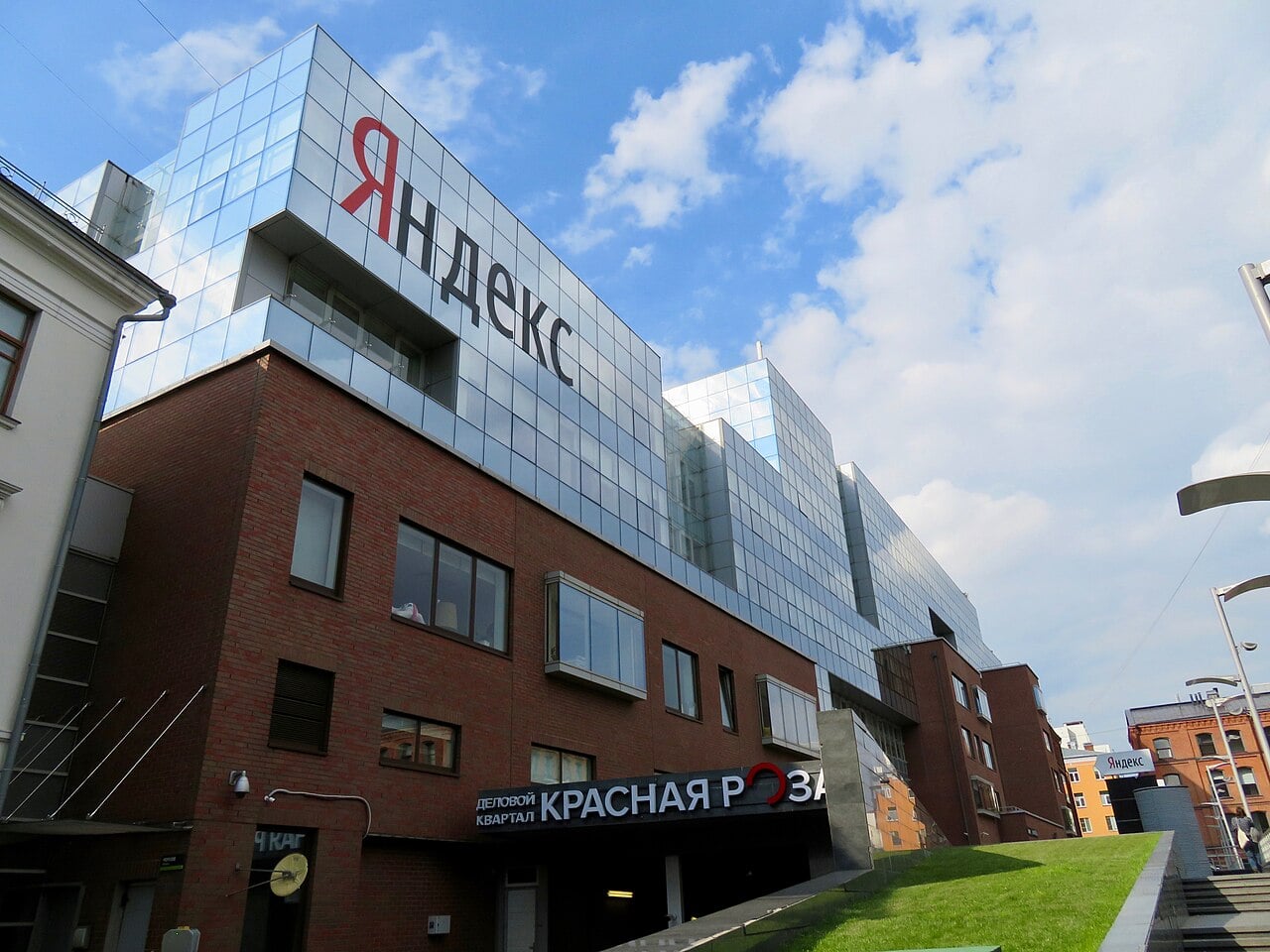
Yandex main office in Moscow Russia via Wikimedia Commons by WikiFido with usage type - Commercial licenseFeatured Image Credit
Yandex main office in Moscow Russia via Wikimedia Commons by WikiFido with usage type - Commercial license


