
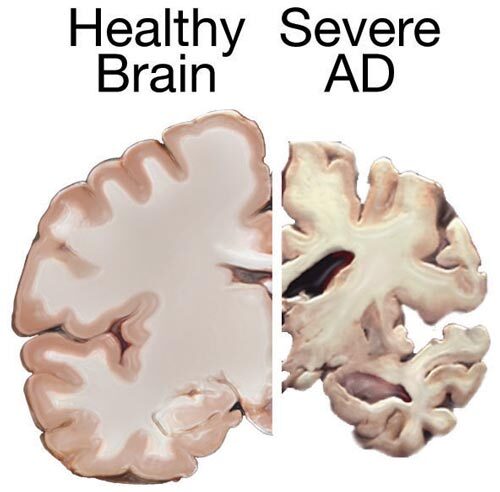
A stronger influenza vaccine may offer older adults more than improved protection against seasonal flu. A new UTHealth Houston study found that seniors who received a high-dose shot had a nearly 55% lower risk of developing Alzheimer’s disease than comparable older adults who received the standard formulation. The findings add to growing evidence connecting flu vaccination with reduced Alzheimer’s risk.
The research, published in Neurology, examined health records for nearly 200,000 adults aged 65 and older. The high-dose vaccine was associated with a stronger reduction in Alzheimer’s diagnoses than the roughly 40% reduction previously linked to standard-dose influenza vaccination. An independent summary of the study identified 120,775 people in the high-dose group and 44,022 in the standard-dose group, with the comparison focused on Alzheimer’s diagnoses after vaccination.
High-dose flu vaccines are designed to overcome immunosenescence—the gradual weakening of the immune response that accompanies aging. The formulation contains four times the antigen dose used in standard influenza vaccines, and the CDC recommends enhanced influenza vaccines for adults 65 and older when available. That recommendation is primarily intended to improve protection against serious flu illness, not to prevent dementia.
The study builds on earlier work from UTHealth Houston led by neurologist Paul Schulz, which found that vaccinated older adults were about 40% less likely than unvaccinated peers to develop Alzheimer’s during a multiyear follow-up. In that earlier analysis, 5.1% of vaccinated participants developed Alzheimer’s, compared with 8.5% of those who had not received a flu vaccine.
Researchers caution that the newer result shows an association rather than proving that vaccine dose directly prevents Alzheimer’s. Medical records studies can be influenced by differences between people who receive high-dose and standard-dose vaccines, including access to care, overall health, and preventive-health habits. The biological explanation also remains unsettled: fewer severe infections, reduced inflammation, or broader immune effects could all play a role. The study nevertheless gives researchers a clear next question—whether controlled clinical trials can confirm that the higher-dose formulation provides meaningful protection against neurodegenerative disease.
For now, the practical takeaway is narrower but still important. Older adults should discuss the appropriate seasonal flu vaccine with a health-care professional, especially because influenza complications can be particularly dangerous for people living with cognitive impairment. The Alzheimer’s finding is promising, but it should be viewed as an additional research signal—not a replacement for established dementia prevention, diagnosis, or treatment strategies.


