
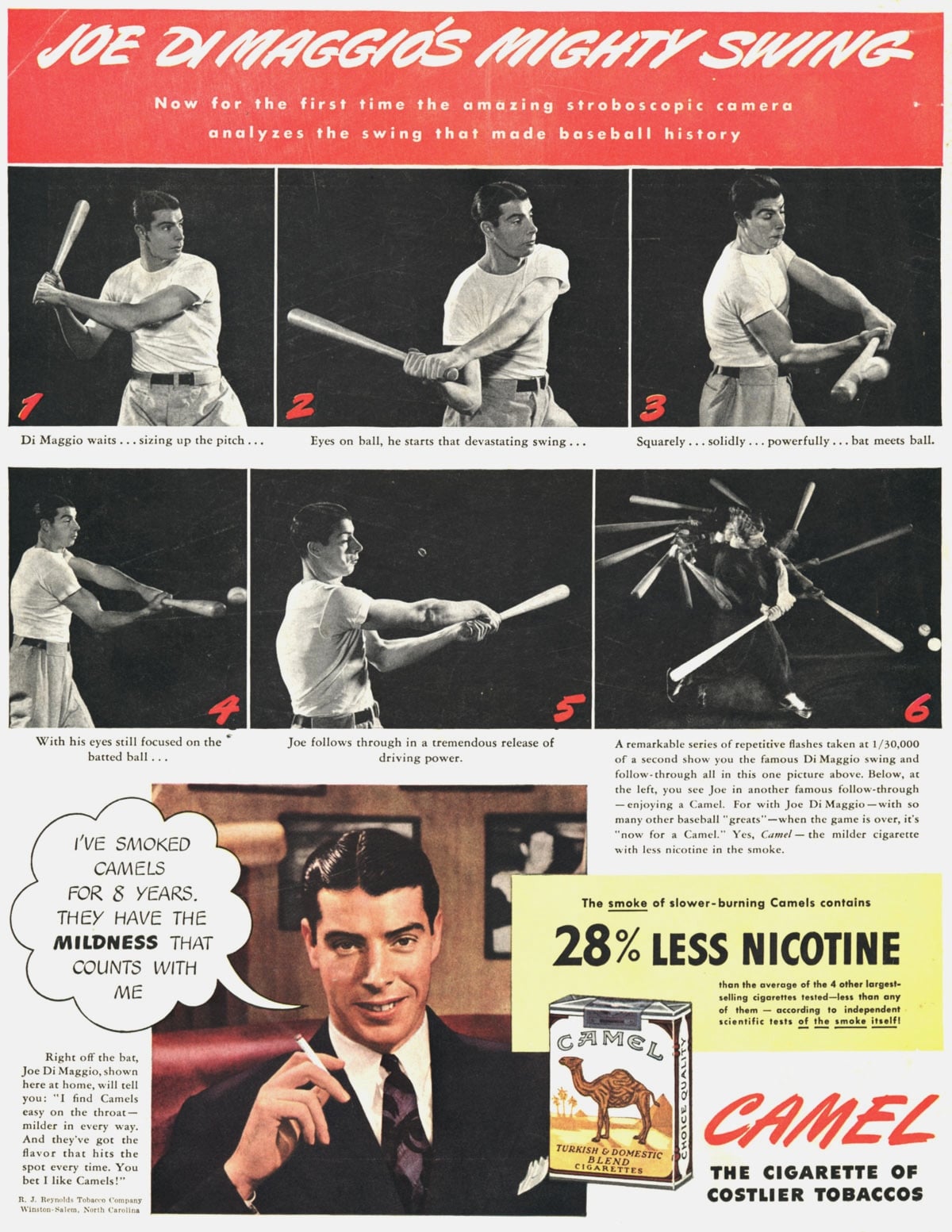
Nicotine, long synonymous with cigarettes and cancer warnings, is being aggressively rebranded online as a “clean” performance enhancer and wellness tool, especially in biohacker and influencer circles. Recent coverage has highlighted how social media and podcast personalities now tout nicotine for sharper focus, better mood, and even longer life, framing it as a natural cognitive booster rather than an addictive drug tied to tobacco.
This new narrative is being amplified by high-profile wellness figures and “Zynfluencers” who praise oral nicotine pouches and patches as productivity and energy hacks. Podcasters like Joe Rogan and neuroscientist Andrew Huberman have described nicotine pouches as a way to “stimulate” or “sharpen” the mind, helping users lock in during workouts or long stretches of work. Everyday Health reports that TikTok and Instagram creators also market pouches as appetite suppressants for weight loss, dubbing them “gas station Ozempic,” while fans interviewed by mainstream outlets openly describe the products as their go-to “productivity drug.” Beyond legacy brands, STAT notes a wave of minimalist, millennial-targeted startups selling “modern” nicotine pouches framed as tools for focus, athletic performance, and corporate hustle.
Inside wellness and biohacking forums, nicotine is now pitched as part of cognitive “stacks” alongside caffeine and nootropics, with users chasing increased attention, energy, pain reduction, and weight control. UVA Today points out that influencers and biohackers claim nicotine can not only boost cognitive function in the short term, but also prevent neurodegenerative diseases like Alzheimer’s and Parkinson’s and even help people live longer. There is a kernel of scientific history behind some of these claims: research summarized by the Global State of Tobacco Harm Reduction and older clinical work has explored nicotine as a possible therapy for conditions such as Parkinson’s and Alzheimer’s, showing cognitive and motor improvements in specific patient populations. However, those studies involve carefully controlled medical contexts, not healthy people using nicotine recreationally for wellness, and they do not establish nicotine as a general longevity or anti-aging drug.
Medical and public health experts are increasingly pushing back on the wellness hype, arguing that any short-term boost in alertness comes with serious downsides. The MD Anderson Cancer Center stresses that in more than six decades of research, no long-term health benefits of nicotine have been demonstrated, and any brief improvements in focus or mood are outweighed by the risk of addiction and other harms. The Center for Science in the Public Interest characterizes nicotine’s wellness claims as crumbling under scrutiny, noting that trendy pouches and similar products are often sold in legal gray zones and promoted with evidence-free promises. The American Lung Association warns that treating nicotine like a lifestyle biohack similar to caffeine is a “fool’s errand,” pointing to its well-established potential for dependence, cardiovascular strain, sleep disruption, and developmental effects. Salon quotes nicotine researcher Paul Newhouse as saying that, realistically, the only positive health claim supported by data is using nicotine to stop smoking, not to optimize overall wellness in people who never smoked.
Even some of the supposed upsides cited by biohackers are more complicated than influencer posts suggest. Military performance guidance notes that nicotine is a potent psychoactive stimulant acting on the central nervous system, with self-reported benefits like decreased appetite, pain reduction, and increased energy and focus. At the same time, researchers highlighted in recent coverage emphasize that perceived cognitive “improvement” in many users may simply be relief from withdrawal symptoms, not a net gain in healthy nonsmokers. Everyday Health points out that while nicotine patches and gum can nearly double the chances that a smoker will successfully quit, experts advise that people who are not trying to quit should avoid using nicotine products for focus, weight loss, or workout enhancement because the health risks far outweigh any theoretical benefits. That contrast—clinically supervised cessation versus unsupervised wellness experimentation—sits at the heart of the current backlash.
Regulators and health advocates are also grappling with how this wellness pivot exploits loopholes and lags in oversight. STAT reports that NielsenIQ has already tracked a “hot new rebrand” of nicotine patches, with growth driven by nonsmokers using them for weight control and as a “health aide” for menopause symptoms, rather than as tools to quit smoking. CSPI warns that many trendy nicotine products and even supplements marketed for smoking cessation or mood support have not gone through rigorous safety and efficacy review, despite being pitched as harmless lifestyle upgrades. As nicotine gets folded into biohacker “stacks” alongside techy wearables, smart drugs, and gaming-focused energy products, experts worry that geek and gamer communities—already targeted by performance marketing—may be especially vulnerable to viewing addictive stimulants as just another optimization hack. For now, the scientific consensus remains clear: outside medically supervised use to help smokers quit, nicotine is not a proven wellness tool, and treating it like a harmless productivity buff looks more like a rerun of tobacco marketing than a legitimate health revolution.


