
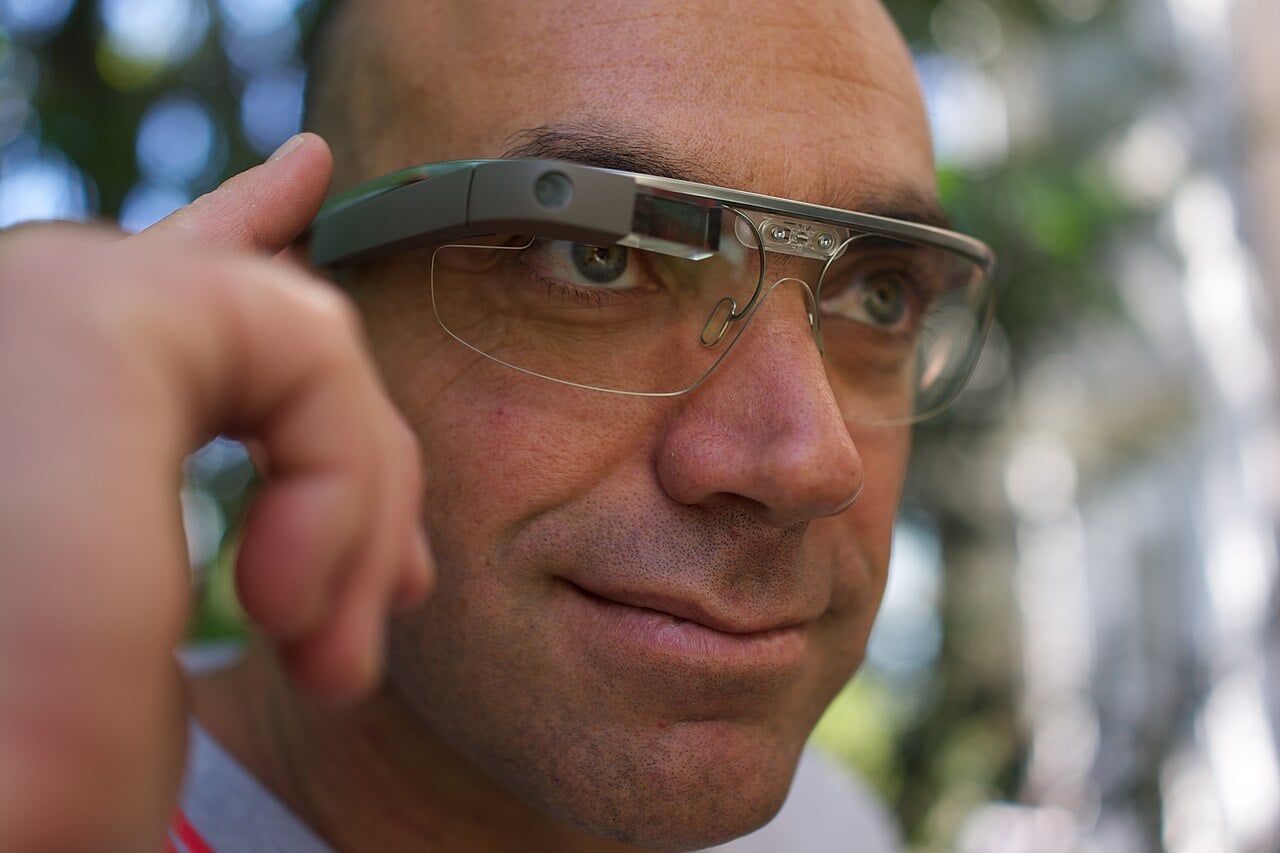
AI glasses are finding a surprisingly practical role beyond flashy assistant demos: they can act as an always-ready audio companion for calls, messages, and reminders. The appeal is less about replacing a favorite pair of headphones for music and more about making communication available without reaching for a phone or sealing off your ears. The case for using AI glasses instead of headphones is strongest when hands-free convenience matters more than immersive sound.
That advantage starts with availability. Earbuds only read a notification aloud if they happen to be in your ears when the message arrives. Glasses, by contrast, are already sitting on your face, so they can announce incoming texts, calendar reminders, or other alerts before a quick phone check turns into an accidental scroll through social media.
Phone calls are an even better fit. Holding a phone against your head becomes uncomfortable over time, while over-ear headphones can trap heat and earbuds can make the outside world feel distant. Open-ear glasses avoid both problems: users can continue walking, washing dishes, watching television, or listening for traffic while carrying on a conversation. Meta says its Ray-Ban Meta and Oakley Meta glasses use open-ear speakers for music, calls, and Meta AI, with the company positioning that design around awareness of surrounding sounds.
The trade-off is privacy. Sound projected from a glasses frame is less isolated than audio delivered directly into an ear, meaning someone nearby may catch parts of a call in a quiet room. On a noisy street or public bus, that leakage may be difficult to notice; at a desk beside another person, it can become an immediate drawback. The same openness that helps users hear traffic and nearby conversations also prevents these devices from becoming a true substitute for closed-back headphones.
Current models are nevertheless moving beyond novelty. Meta’s product information says Ray-Ban Meta glasses can make and receive Bluetooth phone calls, while their microphones and speakers support hands-free conversations without removing the frames or reaching for a handset. Oakley Meta Vanguard takes a more athletic approach, adding adaptive-volume open-ear audio and hands-free calling for people who need situational awareness during training.
That makes the most realistic future a split one. AI glasses could replace headphones for short calls, spoken notifications, podcasts, and casual listening during chores or commutes. Headphones and earbuds will remain the better tools for private conversations, loud environments, detailed music listening, and anyone who wants to disappear into a carefully controlled soundscape. The glasses win not by matching headphones at everything, but by being present for the moments when headphones are still in a bag.


