
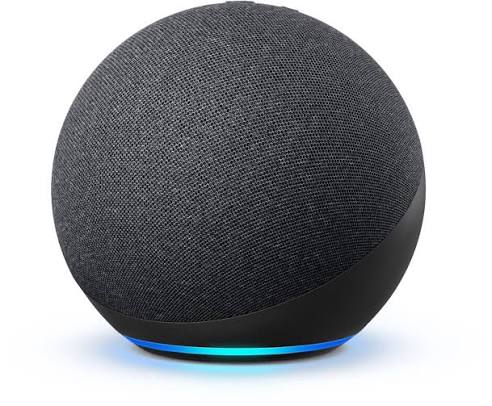
Amazon has quietly raised prices across its Echo smart speakers, Kindle e-readers, Fire TV streamers, and Eero mesh routers, with some of its most popular entry-level gadgets now costing up to 60 percent more than they did just days ago. The increases, which appeared overnight on Amazon’s storefront, were confirmed by the company in a statement citing “significant increases in memory and storage component costs.”
The steepest jump hits the basic Echo Dot smart speaker, which climbed from $49.99 to $79.99, a 60 percent increase that effectively redefines what “budget” means in Amazon’s smart home ecosystem. Amazon’s flagship Echo Dot Max smart speaker, introduced last year, now lists for $119.99 instead of $99.99, closing the gap between Amazon’s midrange and premium audio offerings. On the streaming side, the Fire TV Stick 4K Max has risen from $59.99 to $84.99, while the standard Fire TV Stick HD moves from $34.99 to $39.99, putting the once impulse-buy streamers squarely into higher-priced territory. Bookworms are feeling the squeeze too: the 16GB base Kindle jumps from $109.99 to $149.99, and the 16GB Kindle Paperwhite rises from $159.99 to $199.99, making e-readers a much pricier proposition for new buyers.
Beyond entertainment devices, Amazon’s Eero mesh networking gear is also seeing higher sticker prices, extending the impact of the hikes to home Wi-Fi infrastructure that powers everything from consoles to smart TVs. The changes landed without an accompanying blog post or splashy announcement; instead, reporters spotted the new prices live on Amazon’s product pages before the company confirmed the increases when pressed. That quiet rollout stands in contrast to Amazon’s usual strategy of aggressively discounting its first-party hardware to get Alexa and Fire TV into as many homes as possible.
Amazon’s explanation points squarely at the global memory crunch, particularly rising prices for DRAM and flash storage that are being driven by heavy demand from AI data centers and high-end PCs. Analysts have been warning for months that constrained supply and booming AI workloads would push component costs higher, and consumer hardware is now catching the downstream effects. The situation mirrors broader tech-industry moves: server GPUs and cloud machine learning capacity have seen double-digit price hikes this year, including Amazon Web Services raising the cost of its EC2 Capacity Blocks for machine learning workloads by roughly 20 percent in July. For Amazon, shifting some of that burden onto consumer devices helps protect margins in a world where its own infrastructure bills are rapidly climbing.
The new Echo and Kindle prices also land in a competitive landscape where rivals are inching upward rather than racing to the bottom. Apple recently raised the price of its HomePod mini from $99.99 to $129, narrowing the gap between the two companies’ compact smart speakers and signaling that even Apple’s “entry-level” audio hardware is not immune to cost pressures. With Amazon’s Echo Dot Max now at $119.99, the line between mainstream and premium smart speakers is blurring, pushing shoppers to weigh ecosystem lock-in, voice assistant quality, and smart home compatibility more carefully when deciding where to spend.
For everyday geeks, cord-cutters, and smart home tinkerers, the timing could sting. Devices that once served as cheap on-ramps into Alexa and Kindle are suddenly harder to recommend as casual gifts or impulse upgrades, and buyers may hold off for seasonal sales like Prime Day to soften the blow. The hikes also arrive alongside other cost adjustments in Amazon’s empire, including planned increases to fulfillment fees for third-party sellers and structural tweaks to logistics pricing, suggesting a broader push to pass rising costs on to both consumers and merchants. If memory prices cool or competition heats up, Amazon could revert to heavy discounting, but for now, anyone eyeing an Echo, Kindle, Fire TV, or Eero system should assume that yesterday’s bargain baseline is gone—and budget accordingly.


