
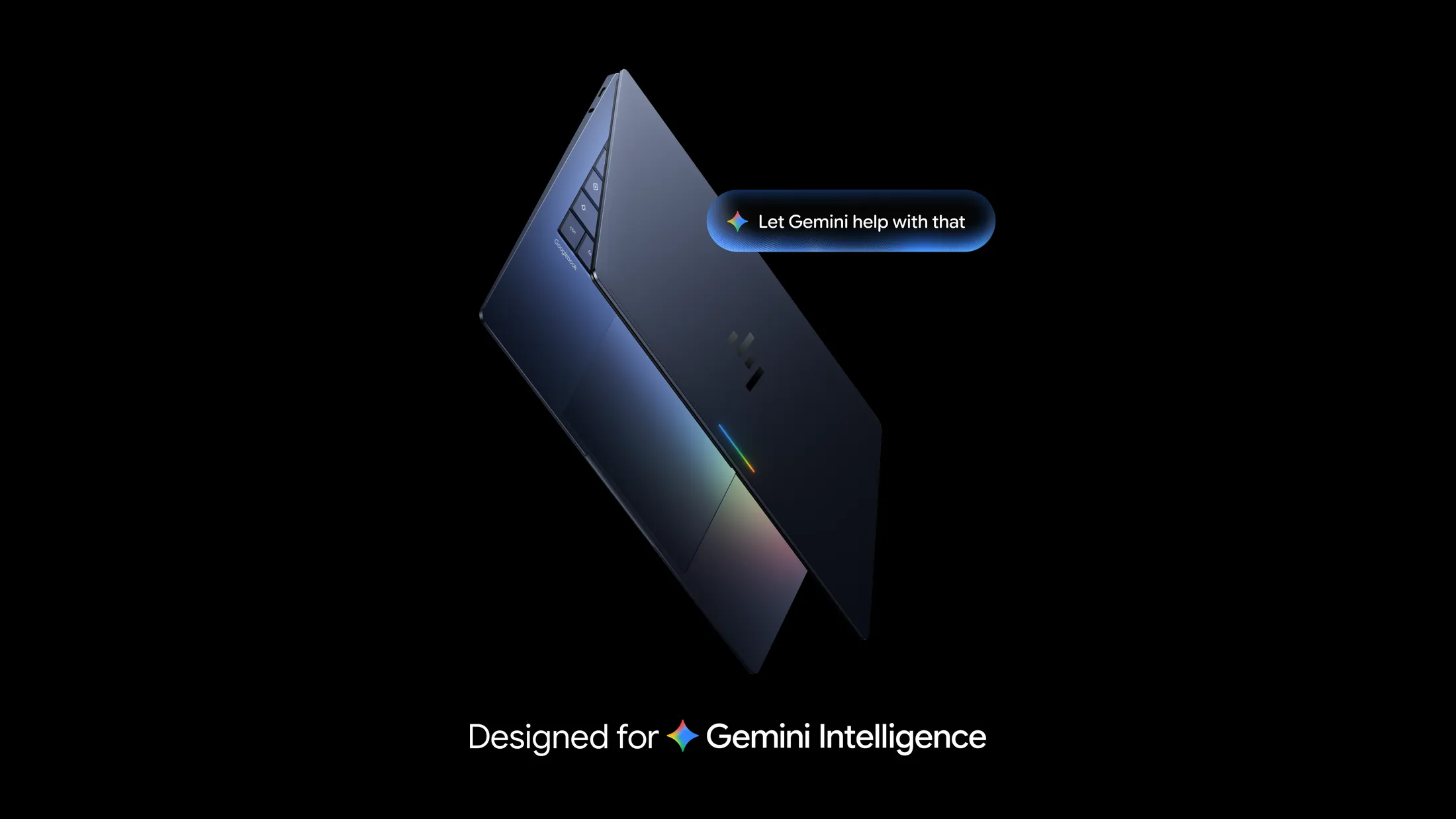
Googlebooks, Google’s new Android-based laptops, are finally in reviewers’ hands, and the early verdict is that they’re bold, clever, and a little rough around the edges. Launched with five models from Acer, Asus, Dell, HP, and Lenovo, the devices hit U.S. shelves on October 4 after a late-September preorder campaign and start at around $899. The Verge’s first impressions across all five units paint a picture of a platform that feels part Chromebook, part Android tablet, and part experimental AI showcase — exciting, but clearly underbaked for now.
Googlebook is positioned as the spiritual successor to the Chromebook, built around an Android-derived desktop operating system called Googlebook OS that merges ChromeOS’ browser-centric desktop with the Android tech stack underneath. Google formally introduced the category during its Android Show: I/O Edition event in May 2026, framing Googlebooks as laptops designed from the ground up for Gemini Intelligence, the company’s umbrella of generative AI features. The pitch is simple but ambitious: a “Mac for Android users” that feels native to the Android ecosystem while offering a full desktop environment powered by Gemini’s proactive assistance.
Instead of building the hardware itself, Google is leaning on familiar PC partners — Acer, Asus, Dell, HP, and Lenovo — to ship the first wave of Googlebooks in a mix of clamshell and convertible designs. Pricing clusters firmly in the premium tier, with launch configurations running from roughly $899 up to about $1,299 depending on brand and specs. Several models are marketed not just as laptops but as bundles into Google’s services: buyers reportedly receive multi-terabyte cloud storage, a year of elevated Gemini access, and trial subscriptions to YouTube Premium and Adobe software, underscoring that this is as much a services play as it is a hardware launch.
The real hook, though, is how Googlebooks attempt to fuse your laptop and your Android phone into a single, continuous workspace. Googlebook OS is built to run native Android apps alongside a full Chrome browser and web apps, while also talking deeply to an attached phone so you can pull apps and actions from your handset onto the laptop screen. Google has highlighted the ability to use apps from your phone directly on the Googlebook and to move fluidly between devices, something that goes beyond simple notification mirroring and feels closer to Android’s answer to Apple’s Continuity system. A marquee feature called Magic Pointer bakes Gemini into the cursor itself, promising context-aware help as you move around the UI — a literal AI assistant riding shotgun on your trackpad.
That vision is what makes The Verge’s early impressions both intriguing and cautious. In use, the first five Googlebooks reportedly behave a lot like high-end Chromebooks at times, complete with web-first workflows and occasional jank when Android apps and desktop windows collide. The OS is clearly still finding its footing, with UI inconsistencies and rough edges that remind you this is a first-generation platform rather than a polished rival to macOS or Windows. At the same time, the ability to trigger actions on your phone from the laptop and to treat mobile apps as part of your desktop feels genuinely new, hinting at workflows that could make Android phones feel far more central to everyday computing.
For the broader ecosystem, Googlebooks are a big swing at redefining what a “Google laptop” even is. Chromebooks carved out a niche in education and budget computing, but they never fully captured power users who live inside Android apps and Google services on their phones. By layering Gemini, Android, web, and Linux tooling into one OS and tightly coupling it to phones, Google is betting that an AI-forward, phone-first laptop can stand apart from generic Windows machines while finally giving Android loyalists a flagship notebook that feels built for them. Whether Googlebooks can smooth out the early jank and prove that vision over the next year will determine if this is the next big chapter in Google’s hardware story — or just a fascinating experiment that never quite escapes beta.


