
For anyone who treats summer like a co-op survival game, Wired’s latest deep dive into mosquito control is basically a meta build guide for your backyard, separating high-tech defenses that really thin the swarm from the countless traps and gimmicks that barely move the needle. Years of testing yard repellents, sprays, and devices point toward a clear winner’s circle anchored by metofluthrin-based perimeter systems, old-school DEET and picaridin skin sprays, and some unglamorous but crucial habitat cleanup.
At the center of Wired’s recommendations is Thermacell’s LIV system, which takes the company’s small-portable E-Zoneguard tech and scales it up into a semi-permanent grid you bolt onto your outdoor space. LIV uses metofluthrin, the same active ingredient powering the compact Thermacell units that Wirecutter found “highly effective at repelling mosquitoes” when testing patio gear, and expands that coverage across larger yards through multiple mounted emitters. Outdoor Life’s field tests likewise highlight Thermacell’s EX90 device as a top choice for backyards, reinforcing the idea that creating a treated bubble of air around your hangout zone is the closest thing we have to a sci-fi force field against mosquitoes. Taken together, independent reviews suggest that metofluthrin emitters, properly placed, deliver more reliable, hands-off yard protection than most plug-in gimmicks or passive traps.
None of that replaces personal buffs, though, and the boring truth is that chemical repellents you apply to your skin still rank as the most consistent line of defense when you step outside the protected zone. Consumer Reports’ lab testing continues to show that sprays with 25 to 30 percent DEET offer the most reliable, long-duration protection against both mosquitoes and ticks, a finding echoed across multiple expert roundups. HGTV’s 2026 guide to outdoor repellents backs this up, pointing out that DEET-based products remain the gold standard for keeping bugs off your body during peak season, especially in heavily infested areas. For those who prefer alternatives, Wirecutter and Gardening Know How highlight 20 percent picaridin formulas that can protect for up to 12 hours, with Sawyer’s 20 percent spray noted for quick drying and minimal residual smell once applied. Together, these tests sketch out a clear hierarchy: if you’re planning a long session outdoors, a properly concentrated DEET or picaridin spray is still your most dependable “armor slot.”
Homeowners eyeing area-wide treatments have no shortage of options either, but the data suggests you have to choose carefully and treat most “natural” yard sprays as situational tools rather than miracle solutions. Bob Vila’s editors break down yard sprays that rely on active ingredients like sodium lauryl sulfate, lambda-cyhalothrin, gamma-cyhalothrin, permethrin, and various essential oils, noting that these products can help knock down mosquito populations in specific zones when applied correctly. For patios and close-quarters hangouts, their recommended plant-based blends—combining cedarwood oil, sesame oil, and sodium lauryl sulfate—offer repellency against mosquitoes, ticks, and ants while remaining usable around kids and pets soon after application. The Consumers Guide cautions against combination sunscreen-plus-repellent products and recommends applying sunscreen first, waiting about five minutes, then layering repellent on top, since reapplication schedules for SPF and insect protection do not line up cleanly. Used as part of a broader strategy rather than a lone fix, these sprays can act as crowd-control tools that complement your core tech rather than replacing it.
Where Wired’s reporting becomes particularly useful is in confirming what years of enthusiast and consumer testing have hinted at: most flashy “set-and-forget” contraptions aren’t nearly as effective as marketing suggests. Gear reviewers at Outdoor Life and Popular Mechanics repeatedly find that a small group of proven solutions—DEET and picaridin sprays for people, metofluthrin devices for spaces—far outperforms a long tail of products that promise mosquito-free living without robust evidence. That pattern lines up with Wired’s assessment after cycling through traps and sprays: gadgets that lack a strong, tested active ingredient or a clear physical mechanism (like dispersing a vapor into a defined zone) rarely deliver the kind of measurable bite reduction that makes a difference on a summer night. In practice, this means skeptical buyers should treat glowing claims about “ultrasonic” deterrence or vaguely defined attractant traps as suspect unless backed by independent performance data.
The unsexy foundation of any winning backyard build is environment control, and here mainstream home and health sources converge on a simple rule: deny mosquitoes breeding grounds before you start throwing tech at the problem. Good Housekeeping’s roundup cites Environmental Protection Agency guidance that calls for draining standing water in gutters, old tires, buckets, and other containers, a checklist that dramatically reduces the number of adult mosquitoes you have to fight later. Wirecutter’s yard gear review similarly frames metofluthrin devices as a second line of defense layered on top of basic cleanup, not a magic fix in a badly maintained environment. The Canadian field tests at Bear Essentials suggest thinking in layers: first manage habitat, then apply sunscreen, then repellent, and finally add a “space layer” with Thermacell devices or even simple box fans on the patio to disrupt mosquito flight patterns around seating areas. Combine that with the application timing and product-choosing advice from The Consumers Guide, and you end up with a build that feels less like random buying and more like a tuned loadout designed to keep your raid party bite-free.
Viewed through a geek lens, Wired’s multi-year testing doesn’t just crown a few favorite gadgets—it effectively patches the meta for backyard mosquito control, nerfing myth-driven gear and buffing a handful of scientifically grounded tools. Metofluthrin perimeter systems like LIV and compact devices such as the EX90 handle area denial, while DEET and picaridin sprays cover player-specific protection, and targeted yard and patio treatments help keep spawning under control. For fans planning marathon tabletop sessions on the deck or late-night co-op runs projected onto an outdoor screen, the takeaway is clear: invest in the tech and chemistry that have actually been tested, pair them with basic habitat management, and treat everything else as flavor text until the data says otherwise.
Image Credits
In-Article Image Credits
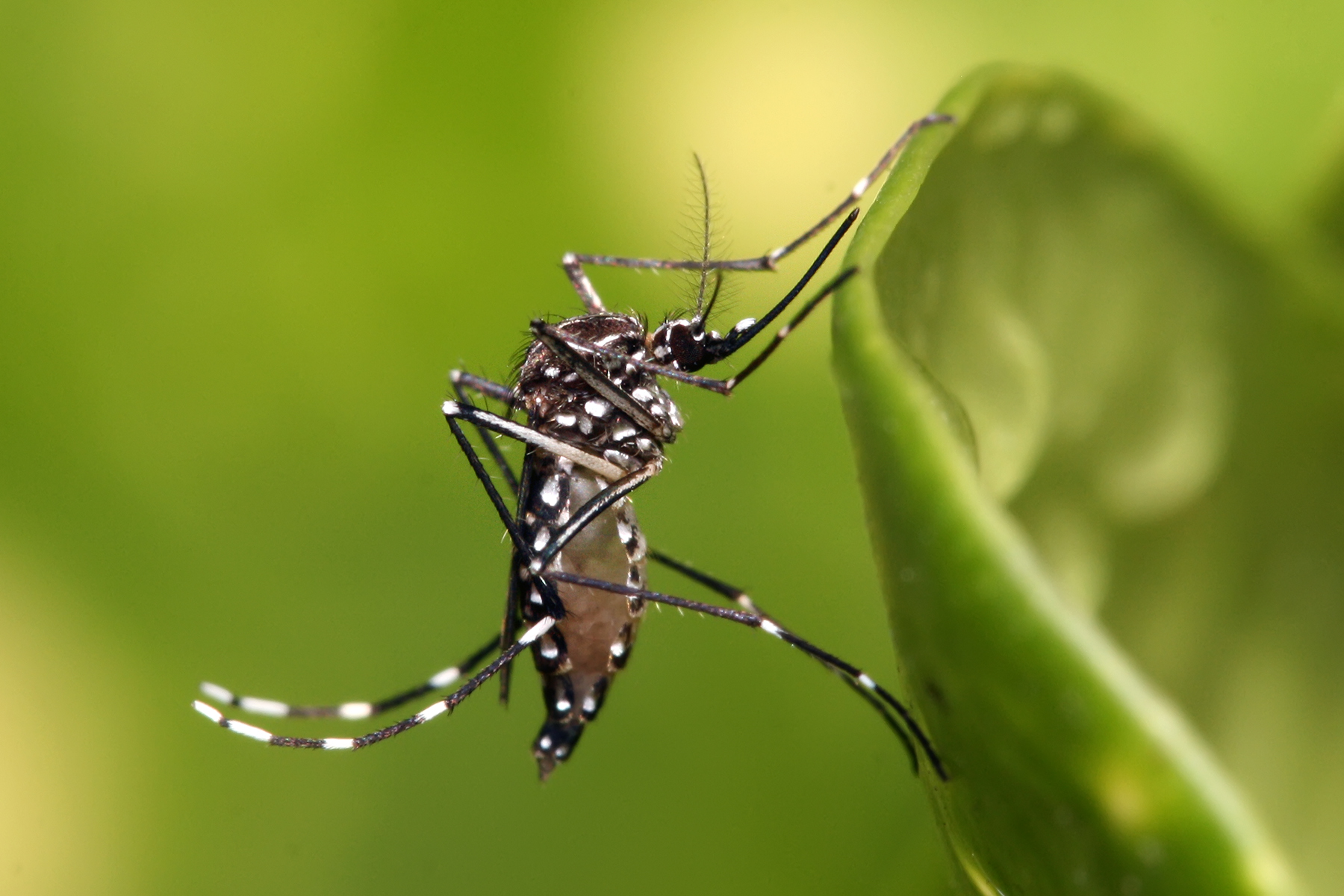
Aedes aegypti in Dar es Salaam, Tanzania via Wikimedia Commons by Muhammad Mahdi Karim with usage type - GNU FreeFeatured Image Credit
Aedes aegypti in Dar es Salaam, Tanzania via Wikimedia Commons by Muhammad Mahdi Karim with usage type - GNU Free


