
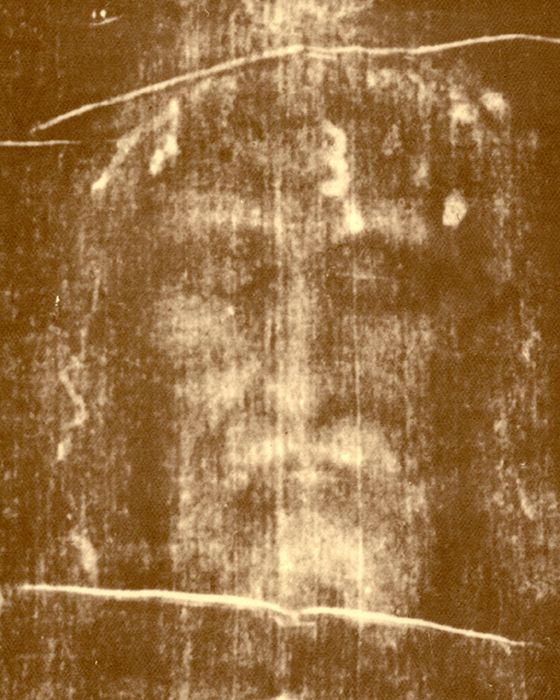
New DNA sequencing has turned the Shroud of Turin into an even more complicated scientific puzzle. Researchers examining officially preserved samples collected in 1978 found a broad mixture of human, animal, plant, and microbial genetic material—evidence of centuries of handling and environmental exposure, but not a final verdict on whether the cloth is an ancient relic or a medieval creation. The latest DNA findings add biological history to a debate already shaped by archaeology, chemistry, religious tradition, and radiocarbon dating.
The international team analyzed 12 samples using PCR-free next-generation metagenomic sequencing, a technique designed to examine millions of fragmented DNA traces at once. The work, published in Scientific Reports, identified genetic signatures associated with people from multiple geographic backgrounds, along with material from numerous plants, animals, and microorganisms. Coverage of the study identifies University of Padua geneticist Gianni Barcaccia and University of Pavia researcher Alessandro Achilli among the scientists involved.
Some of the most striking results also demonstrate why the evidence is difficult to interpret. Researchers found that several human-DNA samples were consistent with Professor Pier Luigi Baima Bollone or a close relative, suggesting that modern handling left a measurable genetic imprint on the material. The animal traces included species such as cats, dogs, chickens, cattle, goats, sheep, pigs, horses, deer, and rabbits. That biological mixture can document where the cloth traveled and who touched it, but it cannot reliably identify the person whose body may have produced the famous image.
The findings also revisit earlier claims about the Shroud’s geographic history. Previous work examined dust vacuumed from the cloth and reported a human genetic signal associated with the Indian subcontinent, while the new analysis points to prolonged exposure across several regions, including the Mediterranean. However, outside experts have warned that the conclusions do not establish where the linen was originally woven. Scientific American’s analysis emphasizes that contamination, later contact, and uncertain sample histories make ancestry matches especially easy to overinterpret.
That caution matters because the DNA results do not erase the Shroud’s most persistent scientific obstacle: the 1988 radiocarbon tests placed the linen between 1260 and 1390, a range consistent with a medieval origin. The established historical record notes that those tests challenged the artifact’s traditional identification as Jesus’s burial cloth, although critics have argued that the tested corner may have been repaired or contaminated. For now, metagenomics adds a detailed record of the Shroud’s biological encounters rather than settling its authenticity. More testing, clearer sample provenance, and independent replication would be needed before the new evidence could change the central debate.


