
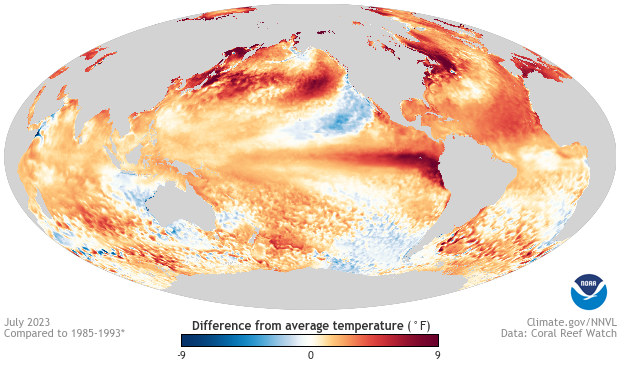
A potentially severe El Niño is shaping up as one of the Americas’ biggest disaster-planning challenges for 2027, with governments urged to use the remaining months of 2026 to protect water supplies, food production and electricity systems. A technical brief from the Organization of American States, the World Meteorological Organization and the International Research Center on El Niño warns that the event could reach “very strong” intensity, producing sharply different impacts from one region to another. The warning covers risks to water, food and energy security as well as public health.
Some areas could see rainfall plunge by as much as 80%, while others face torrential rain capable of triggering floods and landslides. The most exposed zones include Central America’s Dry Corridor, parts of the Caribbean, the Andean and Caribbean regions of Colombia and Venezuela, and sections of the Amazon basin. In those drier regions, depleted reservoirs and damaged crops could collide with higher demand for drinking water and irrigation.
The food consequences may arrive quickly. The OAS assessment identifies the Dry Corridor as a particular concern, where reduced rainfall could place between 500,000 and 750,000 people at risk of food insecurity. The Food and Agriculture Organization likewise says developing strong El Niño conditions could intensify drought and flooding across Latin America and the Caribbean, putting millions of food-insecure people at risk through 2027. Recommended preparations include distributing drought-tolerant seeds, protecting livestock and securing alternative water sources.
Electricity is another vulnerability, especially in countries that rely heavily on hydropower. Lower reservoir levels can reduce generation just as heat drives up consumption for cooling, increasing the possibility of shortages or emergency rationing. The International Energy Agency’s analysis says the 2026–2027 event may rank among the strongest since modern records began and calls for tested emergency procedures, clearer responsibility among institutions and backup power arrangements.
The threat is not limited to drought. Heavy rainfall can overwhelm drainage systems, destroy roads and bridges, isolate communities and increase the risk of landslides. The Pan American Health Organization lists flooding, wildfires, food insecurity and vector-borne disease among the region’s major associated hazards. Water rationing and unsafe storage can create additional breeding grounds for Aedes aegypti, the mosquito that spreads dengue.
The proposed response is therefore less about predicting a single disaster than preparing for several weather extremes at once. Governments are being encouraged to strengthen early-warning systems, monitor water reserves, establish contingency funds, safeguard food supplies and arrange alternative electricity sources before conditions worsen. The WMO says anticipatory measures already being developed include cash assistance, flood protection, drought-resistant seeds and livestock support. For communities across the region, the practical test will be whether those plans move from technical documents into supplies, alerts and help on the ground before El Niño’s most disruptive phase arrives.


