

A new analysis of nearly 30,000 smokers finds nicotine vaping beats patches, gum and more for quitting, sparking fresh debate over harm reduction.
A new analysis of nearly 30,000 smokers finds nicotine vaping beats patches, gum and more for quitting, sparking fresh debate over harm reduction.

Scientists say senescent zombie cells and a single immune receptor called EP2 may drive aging across organs, and new therapies aim to flip that switch.

A Danish team analyzed four decades of Madonna interviews and found her speaking voice dodges normal aging, blending biology, branding and vocal control.
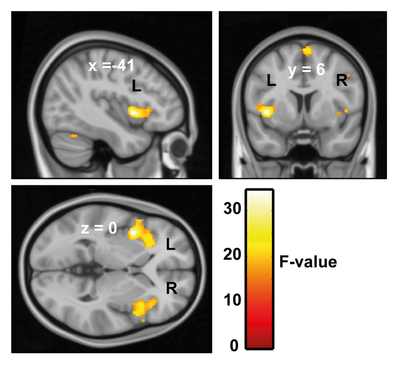
Misophonia turns ordinary noises into fight-or-flight triggers. Here’s how science explains it, how it affects everyday geek life, and what helps.
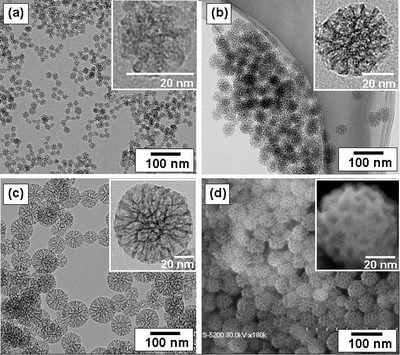
New OECD best-practice guidance co-written at ANSTO explains how to track titanium dioxide nanoparticles inside the human body and how long they persist.
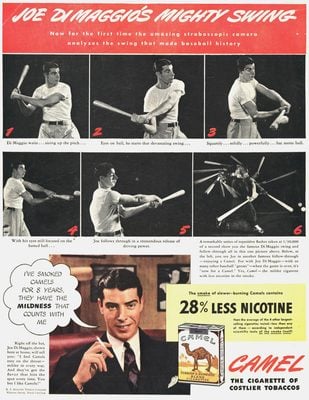
Wellness influencers and biohackers are pushing nicotine pouches and patches as focus and longevity hacks, despite experts warning of addiction and serious health risks.
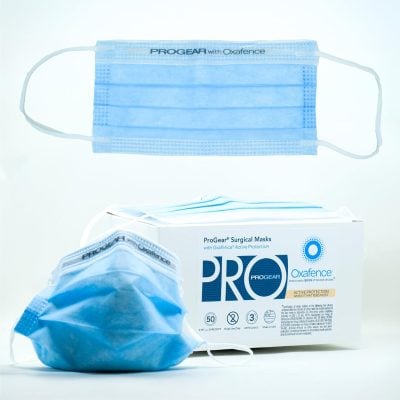
Singletto, a biotechnology startup based in Seattle, has made headlines as its FDA-approved, virus-neutralizing mask is now available for purchase on Amazon. This advancement follows the company’s recent successes, including U.S. Department of Defense backing and a substantial funding round, signaling a major leap for consumer-accessible advanced PPE.

A Stanford research team has, for the first time, successfully designed and created synthetic virus genomes using artificial intelligence. The new bacteriophages, developed by Professor Brian Hie and colleagues, target E. coli bacteria with higher infectivity than any naturally-occurring viruses, raising major scientific possibilities alongside deep concerns over biosecurity and AI governance.

In a landmark moment for neurotechnology and patient empowerment, Mark Jackson, a patient with amyotrophic lateral sclerosis (ALS), has become the first person in the world to control an iPad solely using his thoughts. The breakthrough was made possible through a brain-computer interface developed by Synchron, a company at the forefront of neural device innovation.

The study reveals a direct link between structural inequality—such as socioeconomic disparities measured by a country-level index (GINI)—and changes in brain structure and connectivity that are associated with aging and dementia.
Bring more insight to game day with Pick Playbook. Explore sports predictions, matchup breakdowns, team ratings, and betting trends across the NFL, NBA, NHL, college football, and college basketball—all in one place. Skip the noise. Study the matchups. Find your next pick.
SparTech Software Cybersecurity
Check out the latest cybersecurity and dark web news. From rapid, high-level cybersecurity analysis reports to in-depth penetration testing (pentesting) of your network and systems, SparTech Software offers a comprehensive suite of cybersecurity services designed to protect your organization from evolving digital threats.

Geeky mathematical minds make money with horse race handicapping! Visit pickpony.com for horse racing past performance sheets, race charts and heatmaps, data summaries, AI analysis, and more. Pick Pony - your best bet in horse racing!
Books from Geek Slop Publishing
Living Truth Bible Study Guides
Despite its beautiful prose, you can’t just read Revelation; it requires diligent study. However, ineffective study techniques can lead to misunderstandings. Rather than imposing strict interpretations on the described events, use the concepts we present as a framework for understanding its intricate code. The Book of Revelation indeed provides more than just a foretelling of the tumultuous end of days. It reassures Christians that divine justice will ultimately triumph over evil and promises Jesus' eventual return as the rightful king of the world.
Chronicles of Enigma
While science and reason often seek to illuminate the unknown, there remains a certain allure in the unexplained—a realm where imagination and reality blur, creating a tapestry rich with wonder and possibility. Stories from the Chronicles of Enigma series endure not just as relics of the past, but as gateways to exploring the depths of our curiosity and the infinite potential of our world. Let us be the light that guides you through the darkness.
This Month’s Charity
Geek Slop believes everyone should be a good corporate citizen. Thus, each month, Geek Slop gives a portion of our online store profits to deserving charity. This month’s charity is:
Child Fund of America
Charity Watch Grade: A+
Program percentage: 92%
©Geek Slop – Many images, trademarks, logos, video, brands and images used on this website are registered trademarks of their respective companies and owners. They want us to remind you that “All Rights are Reserved”. Geek Slop never shares its data with third parties. However, 3rd party apps used on this site (we’re talking about you, Google!) may share your data in a non-identifying manner for reasons we do not know (probably to take over the world). Some content is sourced by fans, online websites, and or other fan community sources. Geek Slop is not responsible for reporting errors, inaccuracies, omissions, and or other liabilities related to news shared here. Entertainment is afast-movingg industry but we do our best to keep tabs on infringements. If some of your content was shared by accident, contact us about any infringements right away.


